It's 3 a.m. and you're awake again, not only because the baby stirred. Your top is stuck to your back, the sheet feels damp, and you're wondering if you should change everything or try to fall back asleep. Then the worry starts. Is this normal sweating after birth, or are these chills? Postpartum night sweats and chills aren't the same thing, and learning to tell them apart on the same night can help you decide what to do next. How Long Night Sweats Last After Birth By the third day after birth, you may wake with damp sheets and wonder...
You've agreed to support a family, sent your contract, and started planning prenatal visits. Then the parent asks about insurance reimbursement, a hospital requests proof of coverage, or a referral partner wants access to your intake records. Suddenly, your legal setup needs to cover more than a signed agreement. The legal basics for doula entrepreneurs start with how you work. Build around your services, payment arrangements, and referral channels, not a checklist copied from a practice that operates differently. Why Legal Setup Is a Channel Question, Not a Checklist Suppose you've been working directly with private-pay families. A prospective client...
You've got a birth preferences sheet, a partner who wants to help, and maybe a doula you're about to hire. Now you're wondering what happens when everyone walks into the hospital together. Will your doula work comfortably with the nurse and OB, or will you spend labor managing tension between the people supporting you? The useful question isn't whether your doula is friendly. It's how doulas collaborate with medical teams when a shift changes, a recommendation needs explaining, or the plan takes an unexpected turn. Good teamwork starts before admission and continues after birth. What Collaboration Actually Looks Like on...
You're pregnant, you have Medicaid, and you've decided a birth center fits what you want. You search for a birth center that accepts Medicaid, call the first result, and spend ten minutes on hold with billing. Then someone says, “Yes, we take Medicaid,” but can't tell you whether they take your managed-care plan, whether the facility fee is covered, or what happens if labor ends at a hospital. That answer isn't enough. A center may bill Medicaid for the midwife's professional services but not have a contract for the birth-center facility. It may be in-network with Medicaid generally but not...
Many common herbal teas are considered safe in moderation, but some are risky, and the final decision should always include a conversation with your perinatal provider. Guidance ranges from two cups a day in some sources to four cups a day in NHS advice, while caffeine from green or black tea should stay below 200 milligrams daily. You may be standing in the kitchen with nausea, tiredness, and a mug of peppermint, ginger, or chamomile tea cooling beside you. The label says “natural,” the ingredients seem familiar, and you want relief without taking something that could affect your pregnancy. That's...
You've booked several births, collected the deposits, and still feel uneasy when you check your bank balance at the end of the month. The money came in, but so did mileage, insurance, training, software, supplies, backup coverage, taxes, and hours spent answering messages that never appeared on the package invoice. That gap between package revenue and actual hourly earnings is where many doula practices become financially fragile. These financial basics for doula entrepreneurs focus on the numbers behind the work, so you can price care fairly, choose payment models carefully, and build a practice that supports both families and your...
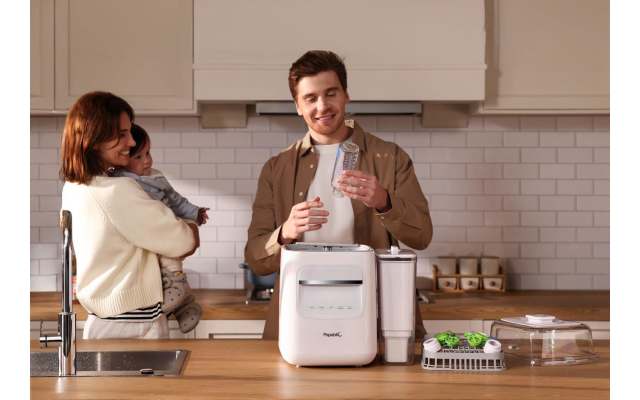
Preparing for a new baby often means buying more feeding supplies than expected. Bottles, nipples, pump parts, and other small accessories can quickly become part of a daily cleaning routine. For families who bottle-feed frequently or pump throughout the day, keeping everything clean and ready for the next feeding can take more time and effort than anticipated. A baby bottle washer can help simplify this routine, but not every machine offers the same combination of capacity, cleaning functions, and everyday convenience. Some focus primarily on washing, while others combine washing with sanitizing, drying, and storage. So, how should parents choose...
IBCLC certification now spans 137 countries, with more than 39,000 certified practitioners as of 2026. The fastest free lactation consultant near me options may include a national helpline, WIC, hospital or community programs, and peer groups, while in-person clinical care depends on your location and eligibility. Where should you start when feeding help can't wait? The answer depends on whether you need quick phone guidance, hands-on latch support, ongoing home or community care, or a clinical assessment for a persistent problem. “Free” doesn't always mean an appointment is available today, and “near me” doesn't tell you whether the person is...
You laugh at a message from a friend, feel a sudden leak, and shift subtly in your chair. You may have been told at your routine postpartum visit that everything is healing normally, yet your bladder, bowel, pelvic pressure, or sex life still doesn't feel like your own. That mismatch can make recovery feel confusing. Pelvic floor recovery postpartum is usually a gradual process, shaped by pregnancy, birth, sleep, feeding, tissue healing, nerve recovery, and the demands of caring for a baby. A six-week checkup is an important clinical milestone, but it isn't a finish line. Why Postpartum Pelvic Floor...
If you're asking are midwives covered by insurance, the short answer is yes, sometimes, but the result depends on credential, payer, and place of birth. In the U.S., CNM services are a mandatory Medicaid benefit, yet coverage is much less consistent for other midwife credentials, and even covered care can still produce surprise bills when the setting changes. You might be on the phone with an insurer right now, getting one answer from a representative and a different answer from another. That happens because midwife coverage is not one yes-or-no question, it's three questions at once. Why the Answer Depends...